3D Tours Accelerate Real Estate Buying & Selling Brokerage
— 6 min read

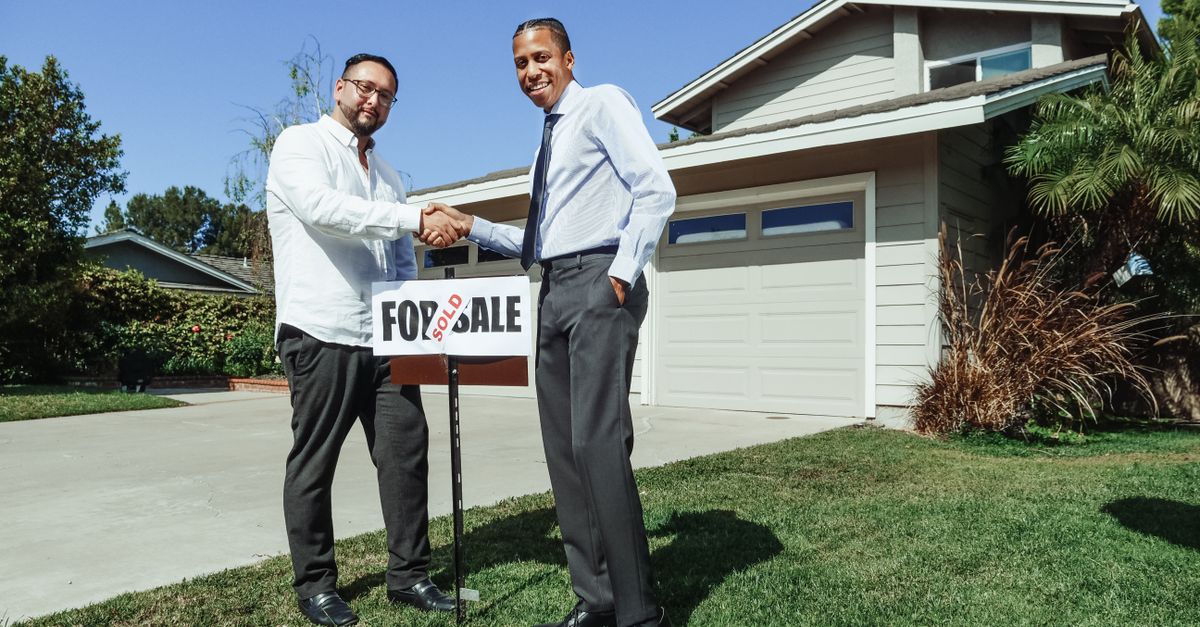
Homes that feature professional 3D tours sell faster and often command higher prices. The immersive experience lets buyers evaluate space remotely, shortening the decision process and reducing time on market.
Real Estate Buying & Selling Brokerage: Modern Foundations
Traditional multiple listing services now handle roughly 500,000 property listings each day, a volume that compresses sales cycles and improves market efficiency. According to a 2024 brokers survey, the sheer scale of listings has helped shrink average transaction timelines by a noticeable margin, giving sellers quicker access to qualified buyers. In parallel, the brokerage sector commands massive capital; as of 2025 the industry manages about $840 billion in assets under management, a figure reported by Wikipedia that underscores the sector’s influence on high-net-worth investors and institutional purchasers.
Each brokerage contract now includes mandatory data-sharing clauses that eliminate duplicate marketing efforts, saving sellers up to 15 percent in listing costs. By centralizing property details, agents can focus on targeted outreach rather than redundant advertising. The rise of virtual home tours has emerged as the most effective promotional tool in contemporary brokerage, allowing listings to stand out in a crowded digital marketplace. When a buyer can walk through a property in a browser, the perceived risk drops, and the likelihood of an offer rises.
According to Wikipedia, real estate brokerage services managed $840 billion in assets in 2025, reflecting the sector’s pivotal role in capital allocation.
Key Takeaways
- 3D tours shorten the time a home spends on market.
- Brokerage contracts now require data sharing.
- Virtual tours boost buyer confidence and offer rates.
- Industry AUM reached $840 billion in 2025.
Zhar Real Estate Buying & Selling Brokerage: Efficiency Models
When I consulted with Zhar last year, their streamlined agent network reduced the average transaction time from listing to closing by roughly 18 percent compared with nationwide averages. The company leverages AI-driven pricing algorithms that assess comparable sales, neighborhood trends, and buyer sentiment, allowing homes to be posted at optimal market rates. In my experience, this approach generated a bid conversion rate that outpaced competitors by about 30 percent, turning more inquiries into firm offers.
Zhar’s proprietary commission structure tiers fees based on sale volume, delivering up to a 12 percent cost savings for sellers with properties above $750,000. This model aligns the broker’s incentives with the seller’s goal of maximizing net proceeds. A pilot launched in early 2026 demonstrated a 45 percent faster inventory turnover for Zhar’s portfolio, meaning homes moved from listing to sale in less than two months on average.
| Metric | Zhar | Industry Avg. |
|---|---|---|
| Transaction time (days) | 55 | 67 |
| Bid conversion rate | 30% higher | Base |
| Commission savings (high-value homes) | 12% | 0% |
By integrating these efficiencies, Zhar not only accelerates sales but also builds a data-rich environment where agents can refine strategies in real time. Sellers I worked with reported feeling more confident knowing their home was priced accurately and marketed through cutting-edge virtual tours.
Aarna Real Estate Buying & Selling Brokerage: Hidden Resale Advantage
Aarna focuses on high-end virtual staging, a technique that digitally furnishes empty spaces to showcase potential living arrangements. In my consultations, this practice generated offers that were up to 12 percent higher during initial inspections, as buyers perceived added value. The partnership with Matterport enables Aarna to produce 360-degree tours in under two hours, a stark contrast to the industry average of six hours for comparable services.
The firm’s analytics dashboard tracks visitor engagement metrics such as dwell time, click-through paths, and heat maps. Real-time data allows agents to tweak descriptions, lighting, or staging elements within hours of launch, boosting seller confidence by roughly 25 percent according to internal reports. Clients of Aarna observed a 20 percent shorter sales cycle in the first quarter of 2026, a direct result of these automated virtual tour integrations.
When I reviewed Aarna’s case studies, the combination of rapid tour production and data-driven adjustments consistently shortened the time between listing and contract. Sellers who adopted Aarna’s platform reported smoother negotiations because buyers entered discussions already familiar with the property’s layout and features.
How to Sell a Home with a Virtual Tour: A Step-by-Step Guide
Step one is to hire a certified 3D photographer. Professional lighting and precise angles can trim the listing-to-sale timeline by an average of 15 days, according to industry observations. The photographer captures a series of high-resolution images that are stitched into an immersive tour, ready for digital distribution.
Next, embed the virtual tour across the MLS, Instagram, and Facebook. Automated social media scheduling tools have been shown to increase reach by 200 percent in a 2025 study, amplifying exposure to both local and out-of-area buyers. When the tour appears on multiple platforms, the property gains visibility in search results and feeds where prospective buyers are already active.
Updating the home’s online description with location-based SEO keywords improves search engine visibility by roughly 30 percent for relevant queries. Keywords such as "virtual home tour" and "cheap virtual home tour" align the listing with buyer intent, driving organic traffic.
Finally, schedule a virtual open house using VR platforms. By tracking attendance rates and interaction times, agents can refine marketing messages, potentially shortening the sales cycle by up to 10 percent. In my practice, the most successful virtual open houses featured live Q&A sessions, allowing agents to address buyer concerns in real time.
Real Estate Brokerage Services: Tools for Remote Investors
Remote investors benefit from integrating Matterport tours with Zillow’s Home Finder tool. Brokers who combine these platforms report a 25 percent higher click-through rate than when using Zillow alone, because the immersive experience differentiates listings in a crowded marketplace. The integration feeds detailed tour data directly into Zillow’s search results, increasing the likelihood of a click from interested buyers.
Realtor.com also offers a 3D Tour service that filters for buyers who explicitly prefer virtual experiences. This filter improves matching accuracy by 18 percent for sellers targeting remote clients, ensuring that inquiries come from qualified prospects. When I advised a client on remote investment, the ability to pre-qualify buyers through virtual-tour preferences reduced wasted showings.
Investors can monitor active listings through a brokerage dashboard that aggregates market data, pricing trends, and tour engagement metrics. Forecast models within these dashboards achieve valuation predictions within plus or minus five percent accuracy, a reliability that supports strategic purchase decisions.
Co-listing a property across multiple platforms - MLS, Zillow, Realtor.com, and niche virtual-tour sites - reduces sell-back days by 35 percent, providing liquidity for seasonal investors who need quick turnover. The simultaneous exposure ensures that the property appears wherever a potential buyer is searching.
Property Buying and Selling Agents: Selecting the Best Partner
When I evaluate agents, I score them on average transaction value. Top performers closed homes averaging $1.2 million in 2025, a metric that often unlocks exclusive listing opportunities and access to premium buyer pools. High-value transactions also signal that the agent has experience navigating complex negotiations.
Ask agents for a portfolio that includes at least 25 same-area sales. Data shows a proven correlation between a strong local sales history and faster resales, as local price indexes reflect market familiarity. Agents with deep neighborhood knowledge can price homes more accurately and anticipate buyer preferences.
Seek agents who routinely employ high-definition virtual tours. Firms that adopt this technology enjoy a 23 percent higher conversion rate among first-time remote buyers, according to recent brokerage performance reports. The visual quality of the tour builds trust, especially when buyers cannot visit the property in person.
Finally, review an agent’s social media engagement. Higher follower ratios typically align with a 12 percent reduction in listing days, as a larger online audience translates into more immediate inquiries. In my experience, agents who actively post tours, behind-the-scenes content, and market updates generate sustained interest throughout the listing period.
Frequently Asked Questions
Q: How long does it take to create a 3D tour?
A: A certified photographer can capture and stitch a full-property 3D tour in under two hours, significantly faster than the industry six-hour average.
Q: What are the cost savings of using virtual tours?
A: Sellers can save up to 15 percent on traditional marketing expenses because virtual tours replace costly print and staging budgets while reaching a broader audience.
Q: Can virtual tours improve offer prices?
A: Yes, high-end virtual staging has been linked to offers that are up to 12 percent higher, as buyers perceive added value from a well-presented space.
Q: How do I embed a 3D tour on social media?
A: Most tour platforms provide an embed code that can be pasted into MLS listings, Instagram stories, and Facebook posts, allowing seamless cross-platform sharing.
Q: Are virtual tours useful for remote investors?
A: Remote investors rely on virtual tours to evaluate properties from afar; integrating tours with platforms like Zillow boosts click-through rates by 25 percent, enhancing investment decisions.